
Currently, a visit to a truck dealer lot reveals something rarely seen in recent years: genuine inventory. Trucks are lined up, offering various choices at prices that seem significantly lower compared to the prices from 2022 and 2023.
This change is no coincidence; it’s a consequence of the FMCSA’s compliance enforcement efforts in 2026 impacting the used equipment market. If you don’t recognize the forces driving these changes, you might end up with someone else’s burden and spend the next 18 months puzzled over unexpected costs.
The FMCSA has executed its most extensive regulatory enforcement action in years over the first four months of 2026. Thousands of non-domiciled CDLs have been dismissed, and nearly 3,000 CDL training facilities have been removed from the Training Provider Registry. Over 80 electronic logging devices have been revoked, and a crackdown on ‘chameleon’ carriers—those that dissolve under one DOT number only to reopen under another—has introduced stringent identity verification measures.
The cost difference between compliant and non-compliant trucking is estimated at around $1,000 per month per vehicle on the lower end. Carriers looking to cut corners are discovering that their margin is gone and that the risk of being caught is now unmanageable. Consequently, there’s a surge of exits; carriers are relinquishing their authority, parking trucks, and returning equipment to dealers before the next inspection or audit forces them to confront their situation.
Meanwhile, ongoing freight recession economics have further pressured already strained operators. Those who could handle three years of slim margins while remaining compliant are still in business. In contrast, the operators who couldn’t—or those who weren’t compliant from the start—are the ones whose trucks are now filling dealer lots.
Understanding the Odometer’s Limitations
A truck boasting 345,000 miles on the odometer presents an intriguing story, yet the odometer only tracks distance. It doesn’t account for how long the engine idled, how many times the shutdown system was overridden, or the cumulative hours the coolant level ran low. It ignores critical data continuously recorded in the engine control module (ECM), such as fault codes and driver behaviors.
Identifying Problematic Units
Consider another truck with a comparable mileage showing 324,000 miles but an alarming 18,000 engine hours. The standout statistic: a staggering 365 hours of recorded low coolant levels. Understanding the ramifications of low coolant is crucial, as it can lead to significant engine failures that don’t appear on standard vehicle history reports or pricing documents.
Accessing the Audit Trail
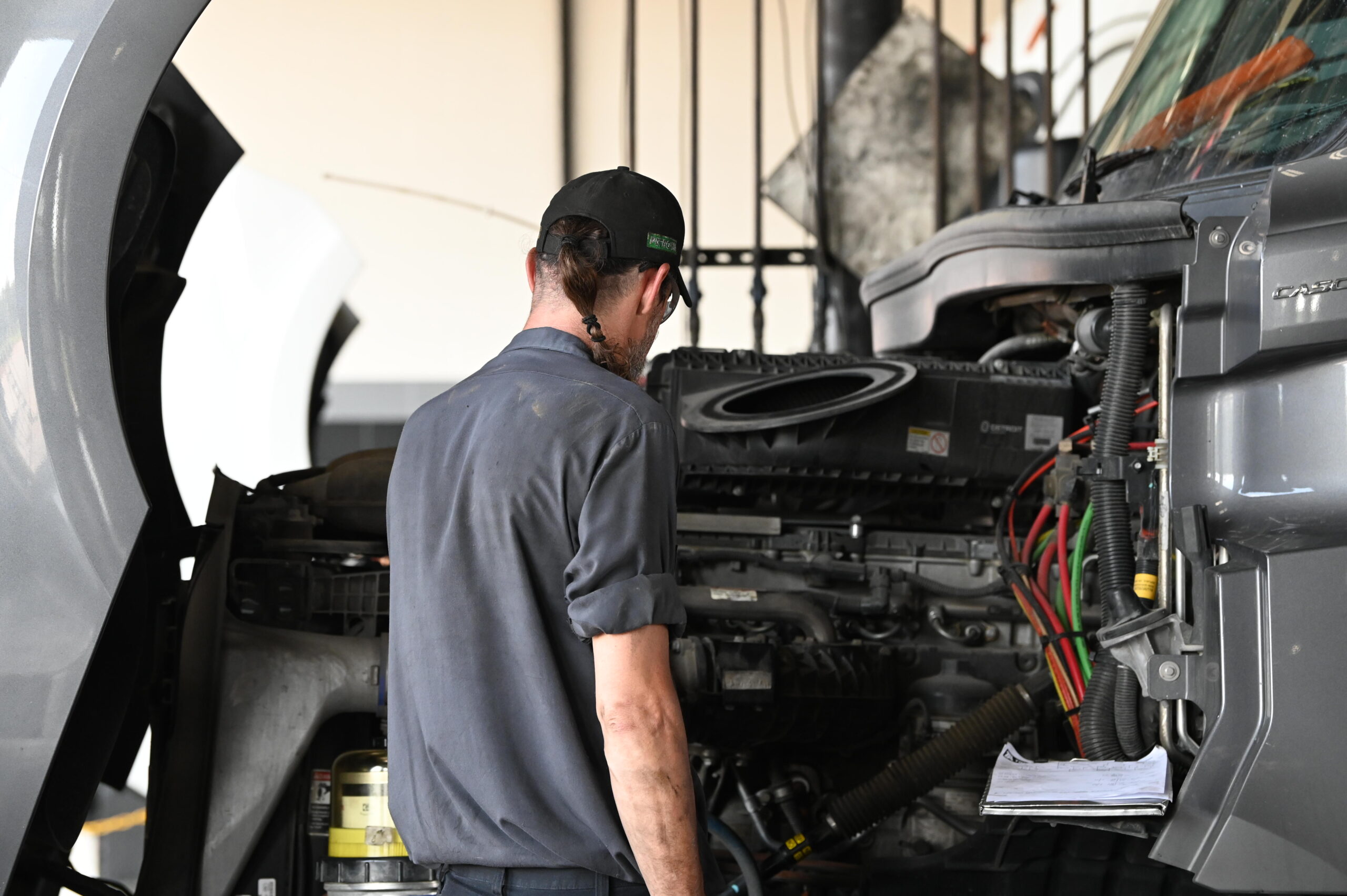
A pre-purchase diagnostic using tools like Cummins INSITE can provide an ECM audit trail that records every interaction with the engine, revealing adjustments made, maintenance performed, and mismanagement signals that could indicate underlying issues. This level of detail is not available on a pricing sticker but is invaluable during the purchasing process.
Before You Make a Purchase
Take advantage of diagnostic tools such as JPRO and Cummins INSITE to reveal crucial engine data before finalizing any purchase. The costs for these diagnostics range from $150 to $400, which is a modest investment considering the price of the truck. If a dealer resists or refuses a diagnostic pull, that’s your cue to reconsider the purchase. Many compliant trucks welcome scrutiny; resistance signals potential red flags.
