
Current State of the Heavy-Duty Aftermarket
The heavy-duty aftermarket is influenced by the overall freight economy, which is currently stagnant. Truck orders have declined, spot rates are decreasing, and fleets are concentrating on maximizing the lifespan and operational efficiency of their existing equipment.
Complex Dynamics of New Trucks and Aftermarket Sales
While one might expect a decrease in new truck production to drive up aftermarket demand, Dave McCleave, Hendrickson’s aftermarket director, indicates that the situation is more nuanced.
“Many assume reduced truck and trailer builds should boost aftermarket sales,” McCleave explains. “However, they actually tend to reflect each other.”
This correlation arises because freight demand influences both new equipment purchases and maintenance expenditures. Fleets decide to invest in either new trucks or maintenance based on their capacity needs for hauling freight; they tend to cut back when demand is low.
Changing Decision-Making in Part Purchases
What is evolving is how fleets approach their parts purchasing decisions. After enduring supply chain issues exacerbated by the pandemic, parts availability has significantly improved, leading to changes in fleet priorities.
“In a tight market with limited availability, fleets will do whatever it takes to keep their trucks operational,” McCleave notes. “But with better availability, factors like price gain importance once again.”
This shift means that fleets are requesting more quotes without always finalizing purchases. When they do make a purchase, they often select just the essential parts needed to complete repairs, driving interest in lower-cost “will-fit” parts during softer market conditions.
The Value of OE-Quality Parts
While managing costs is vital, McCleave asserts that fleets that maintain their equipment for extended periods often recognize the value of OE-quality parts in maintaining truck productivity.
“Ultimately, when you keep your equipment longer, you see the payoff in terms of OE quality regarding equipment uptime,” he remarks.
OE parts are specifically designed, tested, and validated as part of a comprehensive system, ensuring optimal performance and reliability. Opting for cheaper alternatives can lead to repeat repairs or unexpected downtime, negating any initial savings.
Current Inventory Strategies
Although a decline in new truck orders might signal an ideal time for fleets to stock up on parts—what McCleave refers to as a “buy-the-dip” scenario—the reality in the aftermarket sector is different.
“Availability is currently sufficient,” McCleave notes. “Therefore, there’s no pressing need to aggressively stock up on inventory.”
Instead of amassing inventory, fleets are opting for just-in-time purchasing and conducting careful comparisons of part prices. With availability less restricted, price has become a primary concern for distributors and parts managers, emphasizing the importance of product differentiation and reliable support.
For more expert insights into the aftermarket industry and the impact of relationships in the evolving landscape, check out the accompanying video.
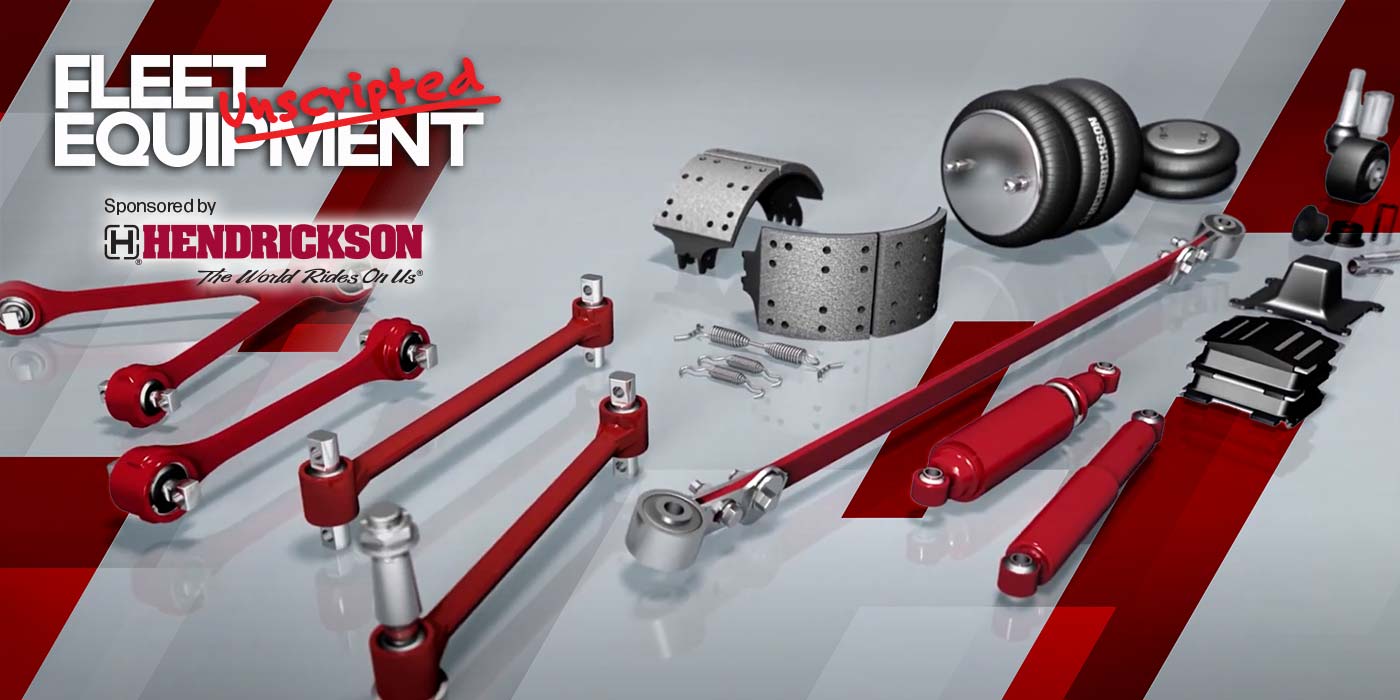
Welcome to Fleet Equipment Unscripted, a video interview series that brings you insights from leading experts in the heavy-duty trucking industry. This series is sponsored by Hendrickson.
