
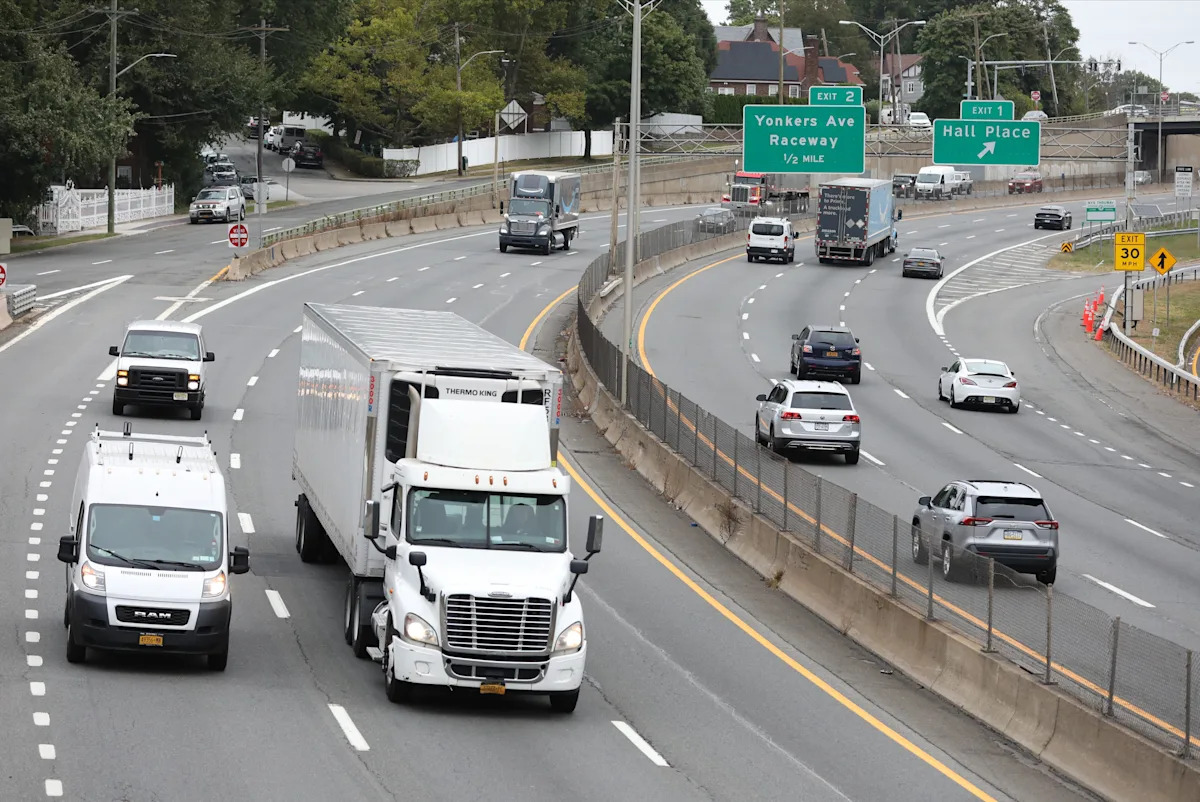
Over the past two months, over 3,000 truck drivers have been removed from U.S. highways for failing compulsory roadside English tests as the Trump administration enforces stricter regulations for commercial drivers nationwide.
This initiative has been welcomed by many trucking organizations, which argue that consistent implementation will enhance road safety by ensuring drivers can comprehend road signs, such as advisory boards indicating traffic slowdowns or hazardous conditions. However, some critics express concerns about potential racial profiling by law enforcement.
The case of California trucker Harjinder Singh, accused of causing a deadly crash in Florida on August 12 after making an illegal U-turn, has intensified discussions around this issue. Following the incident, Singh failed an English proficiency test, with federal officials asserting he was an undocumented immigrant who should not have been issued a license.
“Federal law mandates that any driver unable to adequately read or communicate in English—our national language—is unqualified to operate a commercial motor vehicle in the U.S. This reasonable criterion should never have been disregarded,” remarked Transportation Secretary Sean Duffy when outlining the new enforcement measures.
Texas, Tennessee, Wyoming, Iowa, and Arizona are the top five states where drivers have been disqualified, with Texas alone having removed nearly 350 drivers according to federal data.
In Wyoming, near 240 truck drivers have been sidelined due to inadequate English skills since the enforcement began on June 25. These drivers undergo tests during random inspections to assess their English proficiency and understanding of signage, a requirement meant to ensure safety on highways frequented by heavy freight traffic.
Concerns remain about uneven enforcement across states and the risk of racial bias in policing. Industry experts note that the ease with which unqualified drivers can obtain licenses remains a pressing issue, as this enforcement effort is one part of a broader strategy to promote safety in the trucking sector.
