
If you visit a truck dealer lot today, you’ll notice something not seen in years: real inventory. There’s a lineup of trucks available, with options and prices that seem surprisingly low in comparison to used equipment in 2022 and 2023, as if a window had been left open.
This influx is tied to the FMCSA’s regulatory enforcement initiative of 2026 that is impacting the used equipment market. If you’re unaware of the driving forces behind this trend, you might end up purchasing someone else’s problem and later wonder why your truck’s costs are higher than anticipated.
Reasons for the Full Lots
Over the first four months of 2026, the FMCSA has engaged in what its acting division administrator labeled the largest regulatory enforcement effort in years. This has resulted in the removal of thousands of non-compliant CDLs, nearly 3,000 CDL training providers being pulled from the Training Provider Registry, and more than 80 electronic logging devices being revoked. Additionally, the agency is targeting chameleon carriers—those that dissolve under one DOT number and then reopen under another—as stricter identity verification measures have made this tactic more challenging.
The financial disparity between compliant and non-compliant operations is estimated to be around $1,000 per month per truck on the lower end. Carriers who previously weighed the cost of compliance against corners cut are finding that the risk is no longer viable with the current enforcement climate, leading to rapid exits. Many are relinquishing authority, parking trucks, and sending equipment back to dealers before impending inspections or audits.
Understanding the Odometer’s Limitations
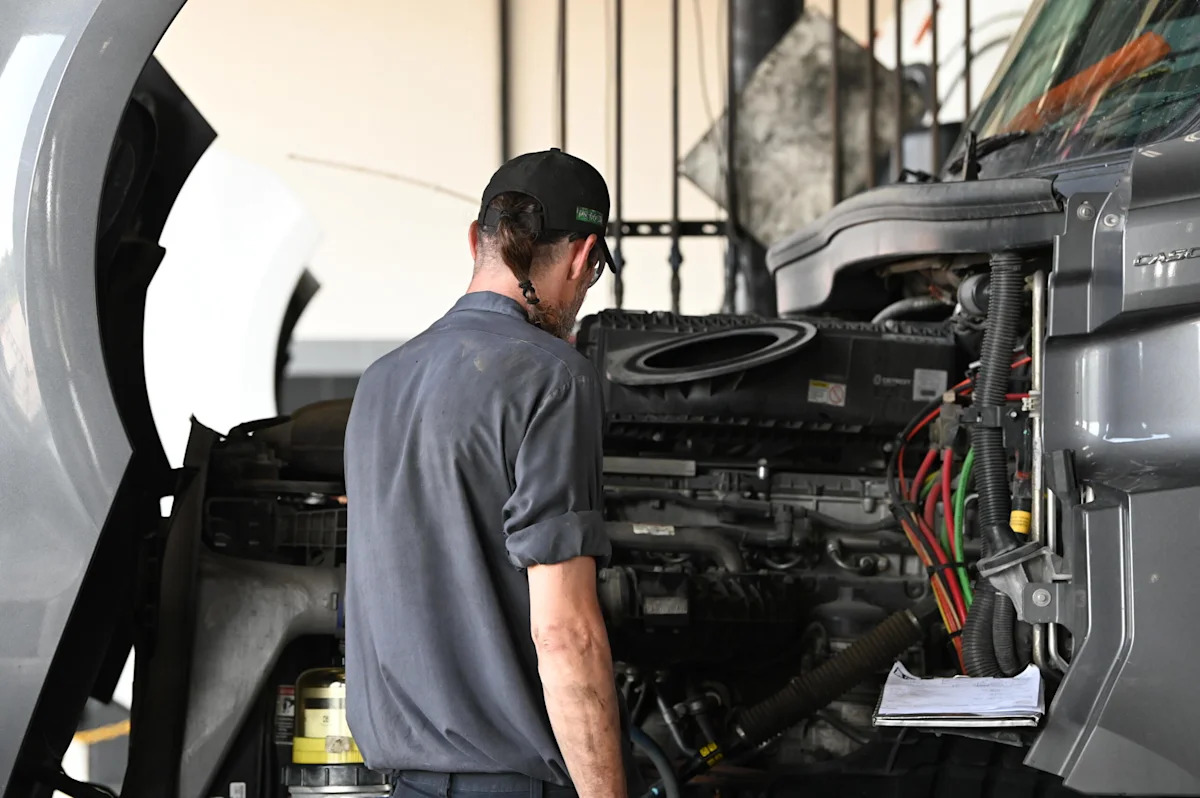
A truck with 345,000 miles may seem to carry a wealth of stories, but the odometer only tracks distance. It overlooks key operational factors such as idle hours, instances of overridden shutdown systems, low coolant levels, or unaddressed faults. However, the engine control module (ECM) captures this critical data throughout the truck’s life, detailing every fault, abuse event, and driver behavior. Accessing this information through a diagnostic pull reveals a comprehensive picture of the truck’s performance and underlying issues, which is crucial when evaluating its potential value.
For instance, a 2022 International LT625 may look promising on paper, with acceptable diagnostics indicating a healthy engine. In contrast, a similar truck exhibiting extensive idle times can raise concerns regarding how it was operated. Understanding these nuances can help with negotiations and assist in evaluating maintenance history.
Identifying a Problematic Unit
Consider a problematic Cummins X15 showing 324,000 miles and 18,000 hours. Upon inspection, hours logged with low coolant levels or high oil temperatures indicate potential grave issues. Without diagnostic tools, these critical failures remain hidden. The ECM’s data provides insight into operational integrity, often revealing what paperwork and sales pitches fail to disclose.
Steps to Take Before Purchase
Investing in diagnostic tools is essential. A JPRO scan provides a snapshot of fault codes and engine health, while a Cummins INSITE provides an in-depth history, showcasing critical data that can assist in making a well-informed decision. For a fraction of the truck’s cost, this diagnostic endeavor is worthwhile insurance, helping ensure you’re buying a truck with verified reliability rather than future repair headaches.
A truck that has been properly maintained can be a fantastic deal even in today’s market, yet many units pose hidden risks. To make the right choice, ensure you gather comprehensive data through diagnostics before sealing any deals, helping you avoid costly mistakes down the line.
