
Concerns Over Increased Train-Truck Collisions
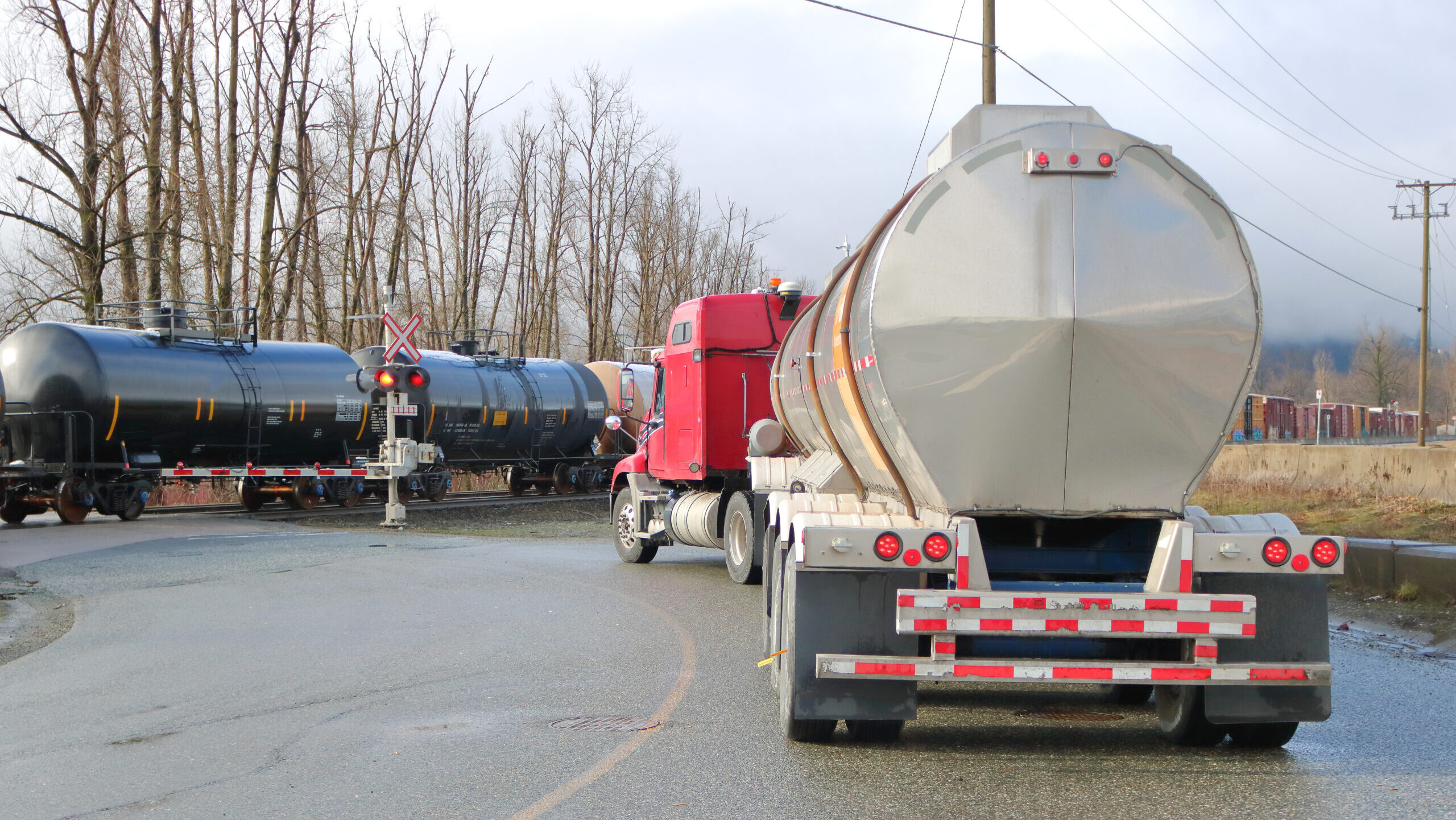
WASHINGTON — The railroad sector is expressing concerns that allowing trucks transporting hazardous materials to bypass stops at certain grade crossings could lead to a rise in collisions with trains.
Currently, trucks carrying hazardous materials and passenger buses are permitted to proceed through railroad tracks without stopping if the crossing has a working traffic signal showing green or if a police officer is directing them to go ahead.
If the FMCSA’s proposal is finalized—backed by the American Trucking Associations and the Owner-Operator Independent Drivers Association—it would extend this exemption to grade crossings with functioning warning devices, like lights and gates, even if they are not activated.
According to the agency’s proposed rule, “FMCSA believes that permitting a CMV [commercial motor vehicle] to pass through a railroad grade crossing equipped with active warning devices, when those devices are not functioning, aligns with local laws that allow vehicles to cross without stopping.” This would decrease the number of required stops for trucks and buses.
Supporting the proposal is the National Tank Truck Carriers, whose members transport hazardous materials. The association emphasizes that collisions between tank trucks and locomotives at grade crossings are significantly less likely than rear-end collisions involving tank trucks at the same crossings when they are stopping or completely halted.
However, the Association of American Railroads and the American Short Line and Regional Railroad Association caution that while trucks might benefit from smoother traffic flow, the FMCSA may not have fully considered the increased risk of highway-rail collisions due to this change. They worry that altering stop requirements may elevate the chances of human error.
Rail unions, including the Brotherhood of Railroad Signalmen (BRS), have also raised objections, asserting that the proposed rule relies on hypothetical data rather than established safety practices. They argue that the lack of reliable data supporting the elimination of stop requirements could lead to severe consequences in crossing incidents, including potential fatalities.
The Commercial Vehicle Safe Alliance (CVSA), representing law enforcement bodies, expressed its apprehension about the heightened crash risk that could arise from the new exception, particularly at grade crossings where active warning devices may malfunction or be out of service. They highlighted that without the current requirement for trucks to stop, there is no available data on crashes linked to faulty warning systems.
