
New Federal Trucking Regulation Takes Effect
Washington, D.C. (WDNews) – A recently enacted federal trucking regulation that started on Wednesday, June 25, 2025, is generating a mix of approval and apprehension among truck drivers.
Details of the Regulation
This executive order, signed by President Donald Trump in April, mandates that commercial truck drivers must prove their proficiency in English during roadside inspections or face being taken out of service. The rule also forbids the use of translators, smartphones, or other communication devices during these inspections.
Reversal of Previous Guidelines
This new regulation reverses a 2016 policy implemented during the Obama administration that allowed non-English-speaking drivers to continue working with just a citation. Under the updated policy, truckers who fail to meet the language standards could risk losing their commercial licenses entirely.
Support for the Regulation
Some members of the trucking industry back the regulation, arguing that it enhances safety by ensuring drivers can read road signs and follow directions effectively. Others, however, express concerns about its potential repercussions on drivers.
Concerns from Local Workers
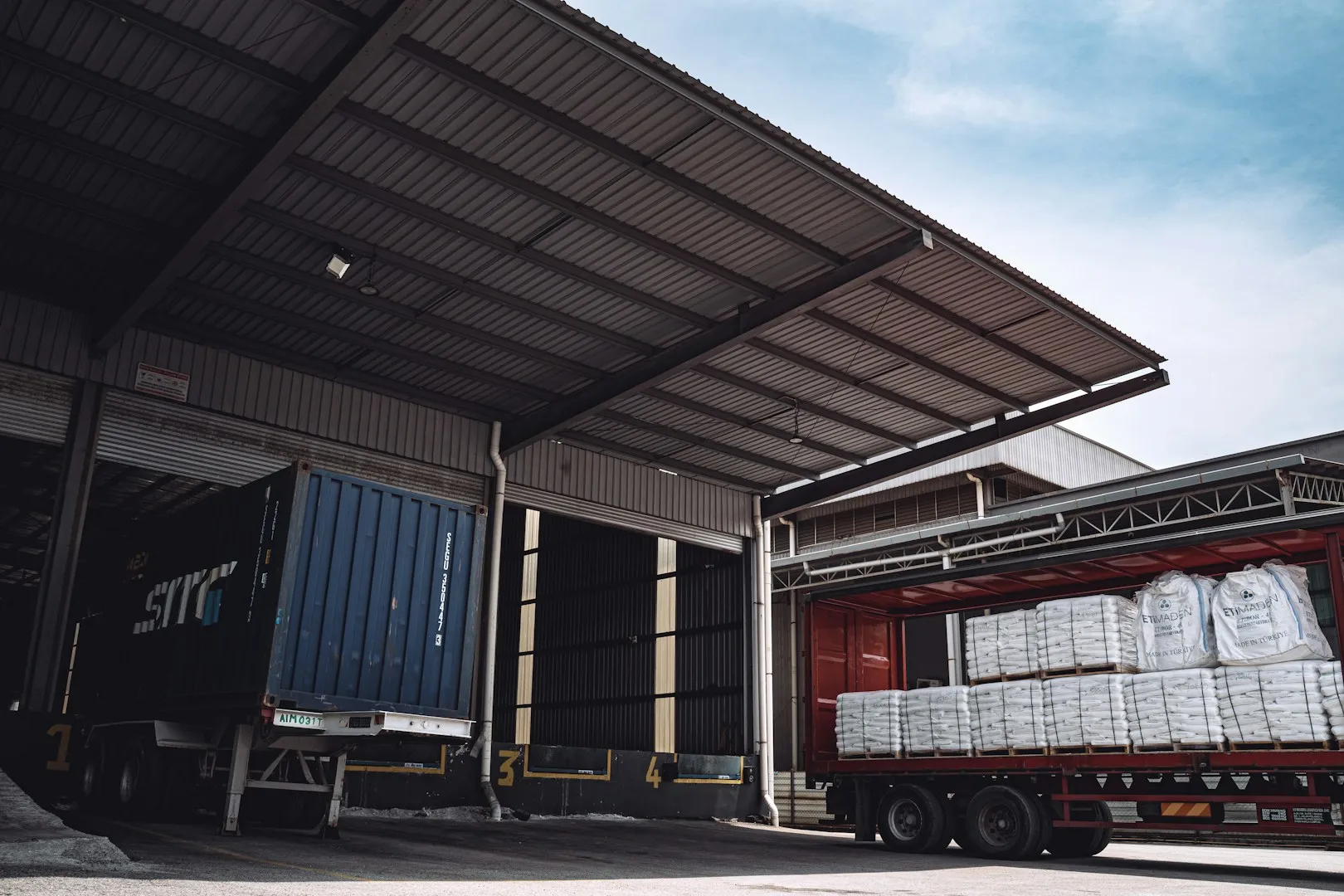
A local dock handler at a nearby factory shared her thoughts with WDNews, noting an additional reason for her support of the regulation. “We often struggle to communicate with non-English speaking drivers, which poses safety risks for everyone involved,” she explained. “Moreover, this can slow down operations at the facility while we stop to translate instructions or needs.”
Impact on Language Learners
Truck drivers who have learned English as a second language argue that this rule jeopardizes their jobs, particularly if they have strong accents or use aids for communication. Without the option to use translation tools during inspections, many worry about facing unfair penalties even if they are safe, skilled drivers.
Enforcement of the Rule
The Federal Motor Carrier Safety Administration is set to enforce this regulation at weigh stations and during routine inspections throughout the nation.
