
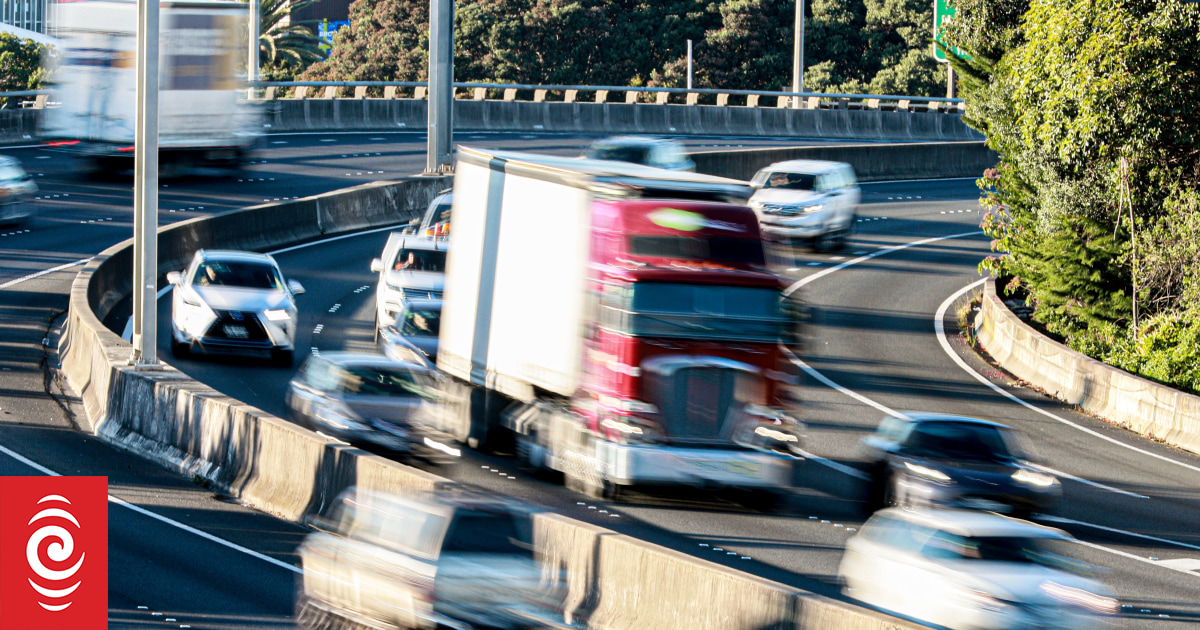
Some operators want permission to use bus lanes in heavy city traffic.
Photo: RNZ / Marika Khabazi
Fuel Shortage Impact on Consumers
Dave Boyce, the chief executive of the NZ Trucking Association, warns that the true burden of the current fuel shortage has yet to be felt by consumers. The trucking industry is actively exploring methods to lessen the repercussions for operators.
Rising Fuel Costs Passed to Consumers
During a discussion with RNZ’s Checkpoint, Boyce noted that many operators are no longer able to absorb the escalating fuel prices and are beginning to pass these costs onto their customers. “The average person hasn’t completely felt the consequences yet,” he remarked, pointing out that while people are paying more at gas stations now, the effect on grocery and service prices will soon become apparent.
Low-Margin Businesses Struggling
“Operators are working with slim margins and can’t handle the surge in fuel costs. They have to apply a fuel adjustment factor to their rates, impacting both consumers and exporters,” he added. Boyce highlighted that when families see their grocery bills rising by an additional $100-$200 weekly, the situation will be clearly felt across the board.
Challenges in Night Operations
In response to Auckland Mayor Wayne Brown’s suggestion for night-time operations to reduce traffic, Boyce pointed out that many warehouses and supermarkets are not equipped to handle nighttime deliveries. He noted that both labor issues and resource consent regulations play significant roles in this challenge, especially in residential areas sensitive to night noise.
Diesel Prices on the Rise
As of Friday afternoon, the average diesel price was reported at $3.80 per litre, marking a 24% increase over just four weeks.
Call for Increased Rail Services
Mainfreight’s CEO, Don Braid, advocated for enhanced KiwiRail services to alleviate truck reliance. He also urged Auckland Transport to permit trucks in bus lanes to conserve fuel while navigating congested city traffic. “Mainfreight already relies heavily on rail,” Boyce stated. “I understand his frustration when additional train services aren’t available for transporting freight.”
Exploring Productivity Solutions
Boyce affirmed that the trucking industry is continuously seeking solutions to counter rising fuel expenses. “We haven’t exhausted productivity improvements yet. The industry is discussing with the government potential modifications to vehicle dimension and weight regulations to enhance capacity,” he explained. He criticized some legislation as outdated and not suited for the industry’s needs, emphasizing the need for adjustments that would allow for more efficient freight movement.
