

Getty Images
Uncertain Future for the Trucking Industry
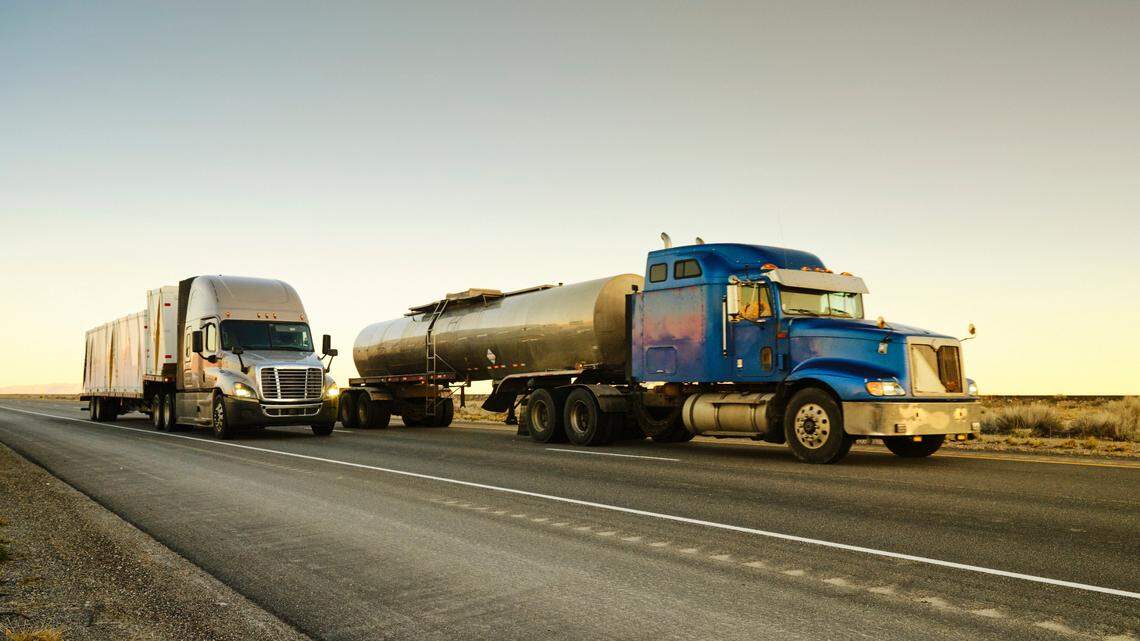
The trucking industry, a crucial part of the nation’s supply chain, faces uncertainty due to increasing regulatory demands for a shift to clean vehicles.
Call for Legislative Action
Representatives from the trucking sectors in Washington and Oregon are urging state lawmakers to pause or reevaluate zero-emission vehicle mandates until policies and funding are clarified.
California’s Advanced Clean Trucks (ACT) Rules
California’s Advanced Clean Trucks (ACT) rules are significant, as both Washington and Oregon are impacted by them. These rules aim to transition medium- and heavy-duty trucks to zero-emission vehicles. Although the trucking industry has a history of adopting cleaner fuels and has made considerable emissions reductions, the technological and infrastructure readiness for this transition is still lacking.
Challenges Arising from Federal Policy Changes
With a new administration in Washington, D.C., federal policies no longer align with ACT, creating challenges for states linked to these California mandates. This was most evident when the California Air Resource Board withdrew its request for an EPA waiver permitting mandatory battery-powered truck purchases.
Concerns Over Operational Viability
Truck manufacturers face difficulties selling zero-emission trucks due to a lack of regulatory incentives. Many operators are hesitant to invest in zero-emission fleets owing to high costs and charging issues. Some may keep older fleets operational to avoid upheaval, while others might relocate to states without these mandates.
Regional Differences and Operational Disruptions
The trucking landscape in the Pacific Northwest presents unique challenges, including diverse terrains and weather conditions. Implementing zero-emission mandates without addressing these factors could cause operational disruptions, likely resulting in increased transportation costs passed on to consumers.
Need for Caution in Transition
Considering current challenges, Washington and Oregon should reconsider their link to ACT rules until funding and infrastructure adjustments are made. Both states must ingeniously balance the goal of lowering heavy-duty emission levels with the regional realities faced by the trucking industry. The Washington Trucking Associations and Oregon Trucking Associations are committed to finding practical solutions for a carbon-free future, but California’s current mandates may not be the right approach.
Sheri Call is the president and CEO of the Washington Trucking Associations, and Jana Jarvis is the president and CEO of the Oregon Trucking Associations.
