


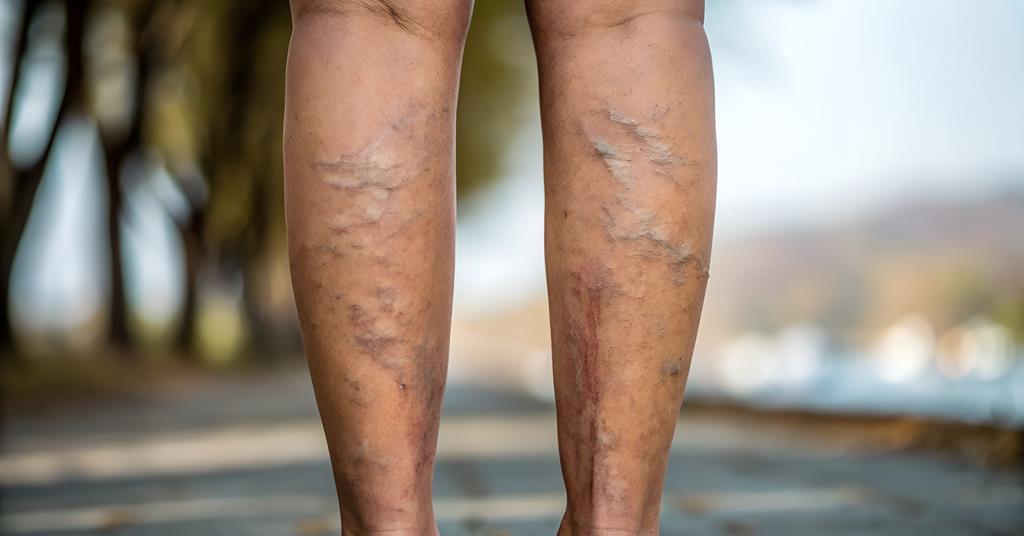
Increased Risks for HGV Drivers
Surgeons at Premier Veins have raised concerns that long hours spent driving, combined with repetitive movements during multi-drop deliveries, make heavy goods vehicle (HGV) drivers particularly susceptible to certain medical conditions.
Employer Responsibility
The clinic emphasized that employers should take proactive measures to encourage employees to step away from their vehicles and consider modifying delivery routes.
Unique Challenges for Delivery Drivers
According to Martin Claridge, a consultant vascular and endovascular surgeon and director at Premier Veins, there are approximately 320,000 delivery drivers and couriers in the UK who face a distinct set of challenges that can impact their leg health.
Impact of Job Demands
Claridge explained that the combination of frequent entry and exit from vehicles while delivering goods adds significant stress to vein valves, potentially leading to blood pooling and the eventual onset of varicose veins.
Health Effects Beyond Aesthetics
Although often viewed as a cosmetic issue, varicose veins can cause symptoms such as aching, swelling, and fatigue, which may adversely affect a driver’s comfort, alertness, and overall productivity.
Consequences for Businesses
This situation poses a risk for fleet operators, as it could disrupt schedules, affect employee retention, and influence overall worker wellbeing.
Preventative Measures
Claridge stated that employers can significantly mitigate these risks through simple strategies, such as promoting short walking or stretching breaks between deliveries, ensuring drivers remain hydrated, adjusting driving schedules to limit continuous driving, and providing compression socks to support circulation and prevent long-term health issues.
