

As the U.S. trucking sector grapples with filling numerous vacant driver positions, some companies believe the solution lies not in increasing human hires. Critics contend that what is termed a “shortage” is really a result of inadequate pay and unfavorable working conditions.
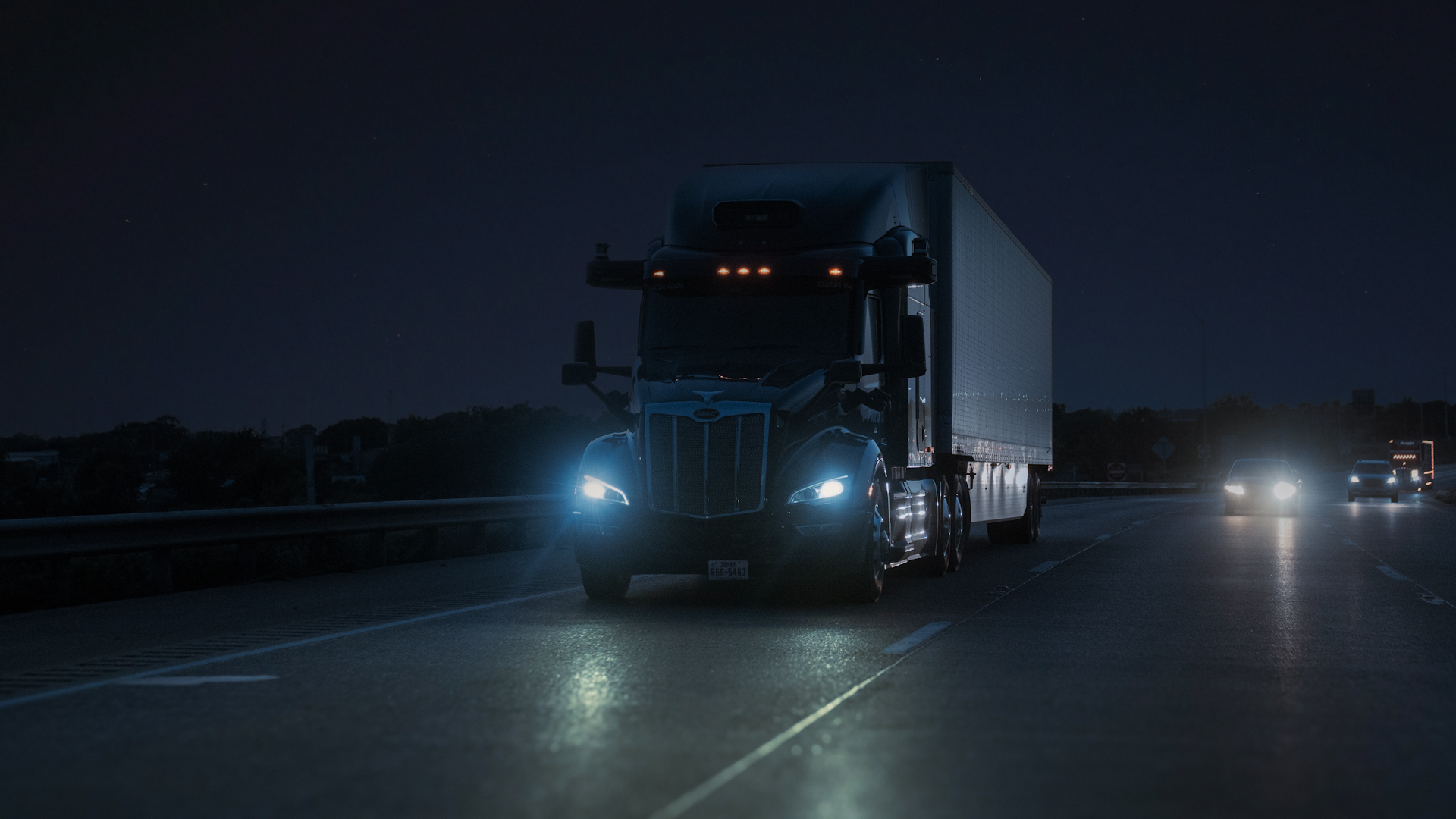
In July, Aurora Innovation launched its driverless trucks for nighttime operations, claiming this initiative could more than double truck utilization and reduce delivery times by 50% on specific routes.
The company’s new terminal in Phoenix is now overseeing autonomous operations along the Fort Worth–El Paso–Phoenix route. This network has already accumulated over 20,000 miles of driverless travel since the spring. Aurora asserts that its unique lidar technology enables trucks to detect hazards in low-light conditions earlier than human drivers, addressing issues related to fatigue and visibility, which contribute to over one-third of fatal crashes involving trucks at night.
What is the Size of the Driver Gap?
According to the American Trucking Associations (ATA), there is currently a deficit of around 60,000 drivers, a figure that may escalate to 82,000 by year’s end. If trends persist, this gap could exceed 162,000 by 2030.
A report from altLINE, a freight financing firm, indicates that a continuous shortage of 24,000 drivers results in numerous trucks remaining idle, costing the industry approximately $95.5 million weekly in lost earnings. Filling these driver vacancies could potentially yield an additional $50 billion annually.
Is There Really a Shortage?
Not everyone agrees with the notion of a shortage. Labor advocates and independent driver organizations argue that the fundamental issue lies in insufficient pay, extended hours, and working conditions that lead to quicker attrition than the rate at which companies can recruit.
The average age of truck drivers is 46, with many nearing retirement. The COVID-19 pandemic has accelerated early retirements, while federal regulations prevent drivers under 21 from transporting freight across state lines, limiting recruitment opportunities among recent high school graduates.
Turnover rates at large long-haul trucking companies often exceed 90% annually. Many drivers point to pay that does not correspond with their workload, extended time away from home, and erratic schedules, leading some to seek local e-commerce delivery jobs that offer more stable hours.
Where is Demand the Highest?
Missouri currently has the highest daily average of job postings in trucking, while Wyoming ranks first in vacancies relative to its population. Nebraska is the quickest at filling openings, averaging around 2.5 days, though it still contends with a backlog. The recruitment process in Indiana may take close to two weeks.
What Actions Are Being Taken to Address the Gap?
Over half of freight companies are considering raising wages and enhancing work-life balance to retain drivers. Others are advocating for reducing the interstate driving age to 18, although concerns about safety persist.
The Department of Transportation is working to enhance access to commercial driver’s license training through over $90 million in federal grants and is examining potential regulatory modifications.
What Lies Ahead?
Experts predict that the shortage, or the turnover crisis, is unlikely to be resolved in the short term. While automation may provide assistance, particularly for lengthy routes beyond human driving capabilities, widespread adoption is years away.
If tariffs and other economic policies boost domestic freight, the demand for both human and autonomous drivers will increase. Conversely, a sluggish economy could pose even greater challenges for the industry.
