
New Measures for Foreign Truck Drivers in the U.S.
In 2026, the U.S. government implemented two significant changes to address issues related to truck drivers from outside the country. One of these is a new rule from the Federal Motor Carrier Safety Administration (FMCSA) called Restoring Integrity to the Issuance of Non-Domiciled Commercial Drivers Licenses (CDLs), which enforces stricter criteria for obtaining a commercial driver’s license. The second change is Delilah’s Law, a Senate bill that aims for even tougher national regulations. This bill is named after Dalilah Coleman, who suffered severe injuries in a multi-car accident in Adelanto, California, caused by an illegally residing Indian driver in June 2024. These initiatives come in response to fatal incidents and extensive noncompliance by states, potentially altering the driver pool for trucking fleets.
Common Objectives
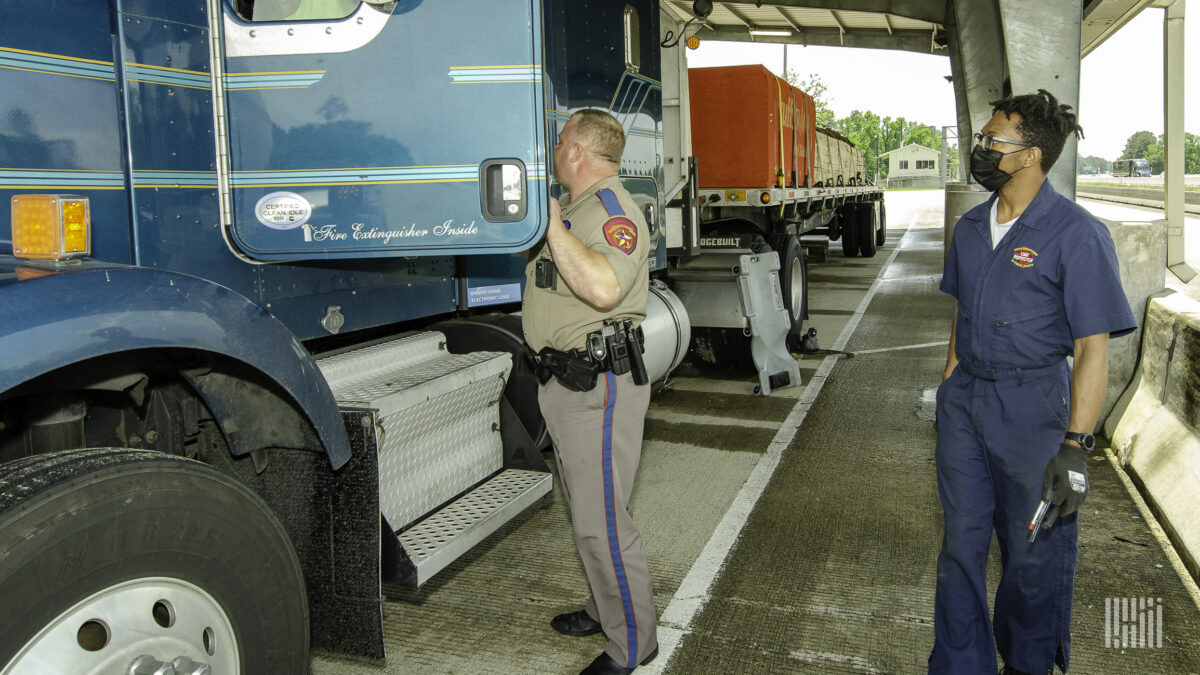
Both initiatives concentrate on “non-domiciled” commercial driver’s licenses (CDLs), which are issued to individuals not residing in a U.S. state. Previously, several states issued thousands of these licenses without adequate scrutiny, allowing poor driving records from other countries to slip through, resulting in tragic accidents. Both the FMCSA rule and Delilah’s Law aim to rectify this issue by restricting eligibility for non-domiciled CDLs to U.S. citizens, U.S. nationals, lawful permanent residents, and specific work visa holders (like H-2A for agricultural work, H-2B for other jobs, and E-2 for investors). Drivers are required to present a valid passport and I-94 form, with states mandated to verify immigration status via a government database before issuing, renewing, or upgrading any licenses. The overarching aim is to ensure that every truck driver on U.S. roads is adequately vetted for safety.
Differences Between the Regulations
The FMCSA rule is a regulation that took effect on March 16, 2026, focusing solely on non-domiciled CDLs. Existing licenses are largely grandfathered in; they remain valid until they expire but cannot be renewed without presenting new documentation. This rule does not address English proficiency or other drivers. As a regulation, it can be more easily altered or weakened by a future administration. In contrast, Delilah’s Law (pending Congressional approval) encompasses a wider scope. It enacts everything the FMCSA rule stipulates for non-domiciled CDLs but establishes those limitations as permanent law. States will be required to audit all current foreign-domiciled licenses within a year and revoke any that do not comply with the new regulations, with non-compliant states facing up to an 8% (and later 12%) reduction in federal highway funds.
New Requirements Under Delilah’s Law
In addition to the existing measures, Delilah’s Law introduces new obligations for every CDL holder in the United States: All knowledge and skills tests must be conducted exclusively in English. Drivers must demonstrate sufficient English proficiency to communicate with law enforcement, read road signs, respond to inquiries, and complete reports (American Sign Language counts as an accepted form of English). Those who fail to meet these requirements will be placed out of service immediately. Furthermore, trucking companies will be held accountable, as they cannot employ drivers without valid CDLs or English proficiency, risking the loss of their registration. The bill also prohibits certain foreign dispatch services that aid foreign drivers in bypassing regulations.
Comparing the Impact
The FMCSA rule acts as a temporary safety measure, addressing the most significant loopholes currently. Conversely, Delilah’s Law is more comprehensive. It solidifies the changes into law, introduces English language requirements for safety and equity, compels states to rectify prior oversights, and penalizes companies that do not comply with the regulations. Together, these actions aim to avert future tragedies similar to the incident that inspired Delilah’s Law. The message for truckers, carriers, and everyday motorists is evident: the era of bypassing rules for unvetted foreign drivers is coming to an end, paving the way for safer roadways.
