
Supreme Court Ruling on Trucking Liability
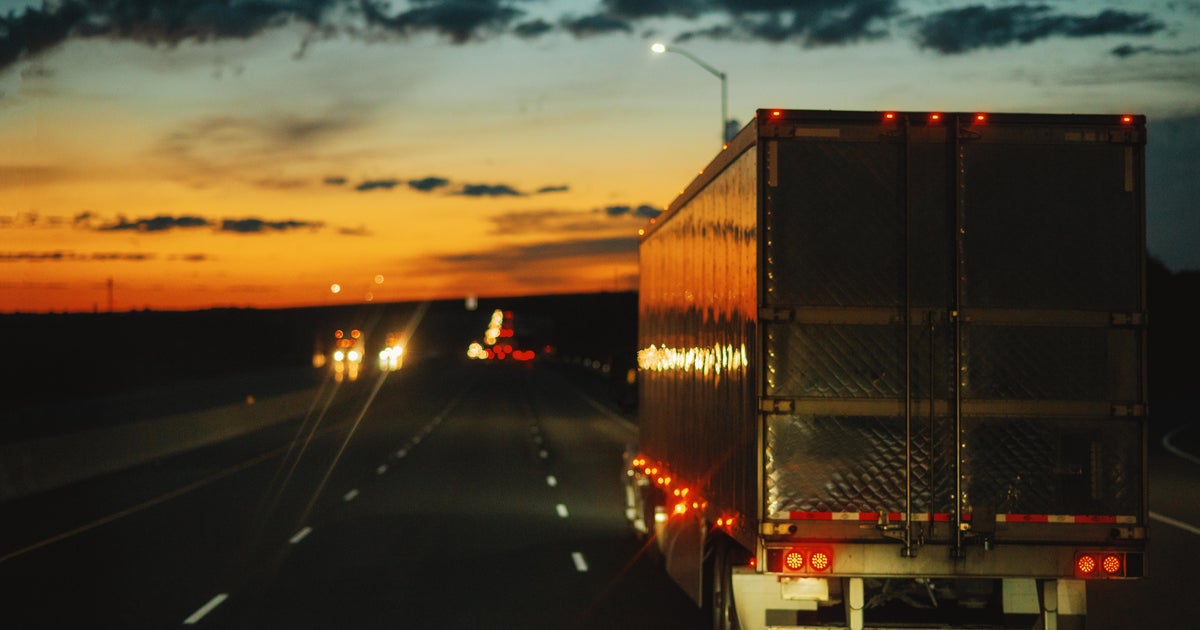
The Supreme Court delivered a unanimous ruling on Thursday allowing a man severely injured in a tractor-trailer accident to sue the broker responsible for arranging the load. This decision is heralded as a significant victory for highway safety advocates, who have raised concerns about the rising number of fatalities and injuries linked to unsafe trucking practices.
A recent CBS News investigation highlighted the critical issues stemming from increasing demand for overland shipping, attributed largely to the rise in online shopping. This demand has strained the capabilities of the American trucking fleet, leading to serious safety concerns.
The court dismissed arguments from trucking industry representatives, who claimed it would be unjust and impractical to hold large logistics firms accountable for vetting the safety records of the haulers they collaborate with.
The ruling enables Shawn Montgomery to proceed with his lawsuit against C.H. Robinson, the largest freight broker in the U.S. Montgomery lost part of his leg in a 2017 incident in Illinois, where a speeding truck driver crashed into his stationary vehicle. He alleges that C.H. Robinson should have recognized the trucking firm’s dubious safety history.
C.H. Robinson, along with significant trucking industry players and the Trump administration, contended that allowing such legal actions would expose brokers to complex liability issues under various state regulations. They argued that safety screenings should be the responsibility of federal authorities that license haulers.
Michael Leizerman, the attorney representing Montgomery and other accident victims, indicated that this ruling might press brokers to take more initiative in identifying unsafe drivers. “These dangerous drivers don’t operate 80,000-pound trucks without someone hiring them, often large brokers like C.H. Robinson,” he stated.
The CBS investigation uncovered that numerous trucking companies evade federal scrutiny by rebranding under new names. Some operate under multiple aliases while maintaining the same equipment and personnel, posing significant dangers on the road, as these ‘chameleon carriers’ are four times more likely to be involved in serious crashes. Despite promises for stricter oversight, federal regulators have failed to address vital warning signs consistently.
Statements from C.H. Robinson
Following the ruling, C.H. Robinson expressed disappointment. “While we are saddened by the court’s decision, we remain committed to operating responsibly and supporting enhanced federal enforcement to promote safety in transportation nationwide,” said Dorothy Capers, the company’s chief legal officer.
