


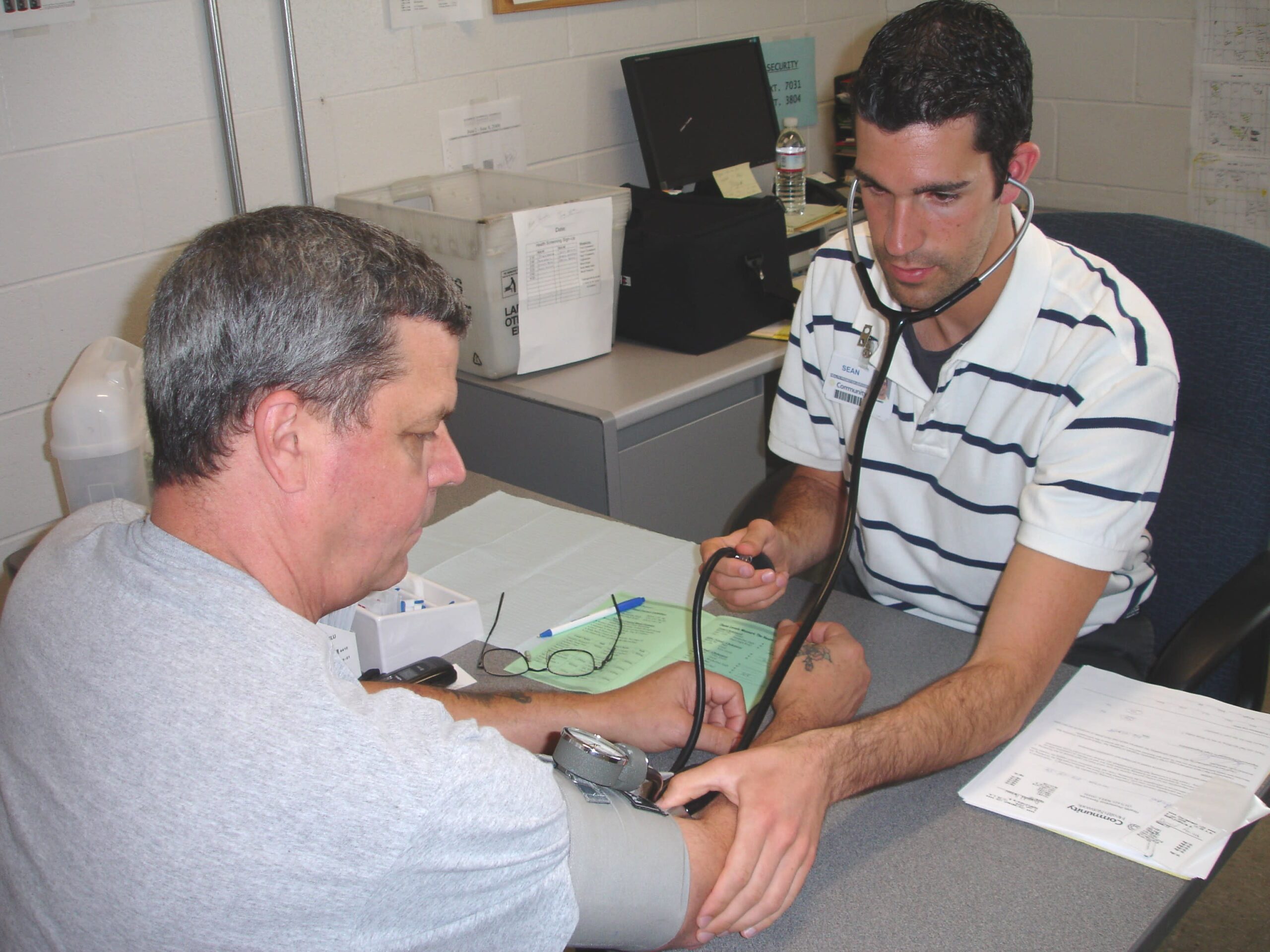
Trucking companies, drivers, and other road users could significantly benefit from a continuous approach to truck driver health, rather than biannual assessments. The newly established National Registry of Certified Medical Examiners may represent progress in that direction.
Trucking companies, drivers, and the general public who share the road with trucks would all benefit from an approach that treats truck driver health as an ongoing project rather than every-other-year paperwork – and the new National Registry of Certified Medical Examiners could be a step in that direction.
This message was conveyed by Dr. David McKinney at the recent Fleet Safety Conference organized by Bobit Business Media in Schaumburg, Illinois.
As the founder of California Occupational Medical Professionals, McKinney has played a role in the establishment of the National Registry of Certified Medical Examiners, which is now operational. By May 21, 2014, all drivers are required to consult a professional from this registry for their physicals and medical certifications.
While regulations have long mandated medical certification exams to assess a driver’s physical ability to operate a commercial vehicle, McKinney noted that ensuring these exams are done properly has been challenging. Often, family doctors or urgent care providers would perform these exams without proper attention, leading to inconsistencies in driver certification. This issue has intensified over time.
Additionally, the practice of “doctor-shopping,” where drivers seek multiple physicians until they pass a medical exam, has exacerbated the problem. “Certain examiners are known to pass anyone,” McKinney remarked.
The new registry mandates that medical examiners demonstrate their understanding of the health demands of truck driving. They will also need to enter the results of each physical exam into a national database, making this information accessible to subsequent examining physicians.
However, a potential issue is the possibility of a shortage of certified examiners to manage the workload by next May. McKinney strongly advised fleets to establish connections with multiple certified professionals in advance.
The Challenge of Driver Health
It’s well-known that the trucking lifestyle is not conducive to good health, primarily due to its sedentary nature and limited access to nutritious food. “I know of no organic food bar that has parking spaces for truckers,” McKinney joked.
Moreover, McKinney pointed out the often-overlooked stressors associated with the high levels of alertness required by professional drivers, which can lead to health issues. “One of the biggest stressors is the ability to remain ready,” he said.
According to McKinney, these stressors contribute to a higher prevalence of serious health conditions among commercial drivers, including:
- Hypertension
- Type 2 diabetes
- Cardiovascular disease
- Sleep apnea
While some of these issues mirror those in the general population, they are more acute in truck drivers, highlighting the importance of preventing serious health incidents.
McKinney also noted that the Federal Motor Carrier Safety Administration will soon provide new guidelines for medical examiners concerning sleep apnea screening among truck drivers, which will likely include body mass index assessments. While these guidelines are not legally binding, McKinney anticipates that physicians will adhere to them due to the new registry and certification processes.
McKinney sees this as a valuable opportunity for improving driver health. “There’s a real chance for the industry and medical professionals to positively impact driver health,” he said.
Being Proactive
Moving forward, McKinney suggests that fleets can require comprehensive “fit for duty” exams that go beyond federal regulations to identify at-risk drivers and better address their health challenges.
As a certified flight surgeon for the FAA, McKinney shared that he applies similar proactive measures with pilots. “I maintain a closer relationship with my pilots than is required, addressing health issues well before recertification,” he said.
