
Dive Brief:
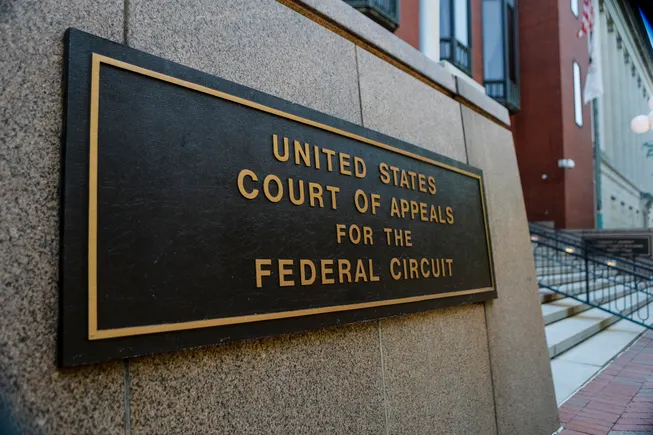
A federal appeals court denied calls to temporarily halt the Federal Motor Carrier Safety Administration’s (FMCSA) non-domiciled Commercial Driver’s License (CDL) regulation. Non-domiciled pertains to foreign drivers who are legally in the United States, and these individuals could constitute up to 25% of for-hire and private motor carriers. The ruling from the U.S. Court of Appeals for the District of Columbia Circuit indicates that the judges are doubtful about the plaintiffs’ chances of success against the federal government. The appeals court remarked, “Petitioners have not met the strict criteria for a stay pending judicial review.” Consequently, the case will progress with the rule remaining enforced, and the judges noted that there are “at least fairly contestable” disputes involved. Legal briefs are required by dates ranging from June 15 to August 5.
Dive Insight:
The latest regulation has the potential to gradually exclude a majority of noncitizens from the trucking industry, as these drivers represent around 97% of the country’s approximately 200,000 non-domiciled CDLs, according to the FMCSA’s final rule issued in February. Drivers who wish to stay in the workforce must possess an I-94 admission form, a valid passport, and fit into one of three specific employment-based immigration categories.
Those categories include H-2A (temporary agricultural workers), H-2B (temporary non-agricultural workers), and E-2 (treaty investors) nonimmigrant status holders. This marks a shift from the previous allowance where employment authorization documents could be used for non-domiciled CDLs. FMCSA audits have claimed that states like Illinois, North Carolina, and Pennsylvania improperly processed and renewed non-domiciled licenses, with the agency suggesting that state clerks may be misinterpreting immigration codes on EAD forms.
According to the appeals court, “In contrast, I-94 forms convey that information in plain English.”
A primary concern in the audits, which could impact states’ funding, is whether a federal immigration document expires before a non-domiciled CDL does. Many states have responded by filing lawsuits challenging the potential loss of funds.
Furthermore, the FMCSA states that the new rule enhances identification protocols and aims to improve roadway safety. It also addresses commercial learners’ permits.
The regulation is set to take effect, particularly affecting non-domiciled CDL holders at the time of license renewal. The FMCSA highlighted that these drivers could potentially “exit the market over the course of the next five years.”
