

The Shift in Country Music
In the 1970s, as country music began to merge with pop, the cowboy hat became a notable casualty of this transition.
Embracing Change
While artists like Riders in the Sky and Hank Williams Jr. maintained the cowboy hat tradition, many singers opted for more modern headwear. Some traded their cowboy hats for ball caps, while others, including iconic figures like Ernest Tubb, recognized that their time in the music scene had ended. Notably, crossover stars such as Kenny Rogers and Ronnie Milsap rarely wore hats on stage, reflecting the shifting trends of the genre.
The Cowboy Hat’s Comeback
However, the 1980s saw a revival of the cowboy hat, largely thanks to the massive success of George Strait, who has always performed in his signature Resistol cowboy hat. By this time, prices for similar hats soared to around $285.
Return to Popularity
With Strait earning multiple Entertainer of the Year awards by the end of the decade, the cowboy hat re-entered mainstream country music. A new wave of performers, later dubbed “hat acts,” embraced the cowboy hat as a crucial part of their identity, often including it as a contractual obligation.
The Rise of Tracy Byrd
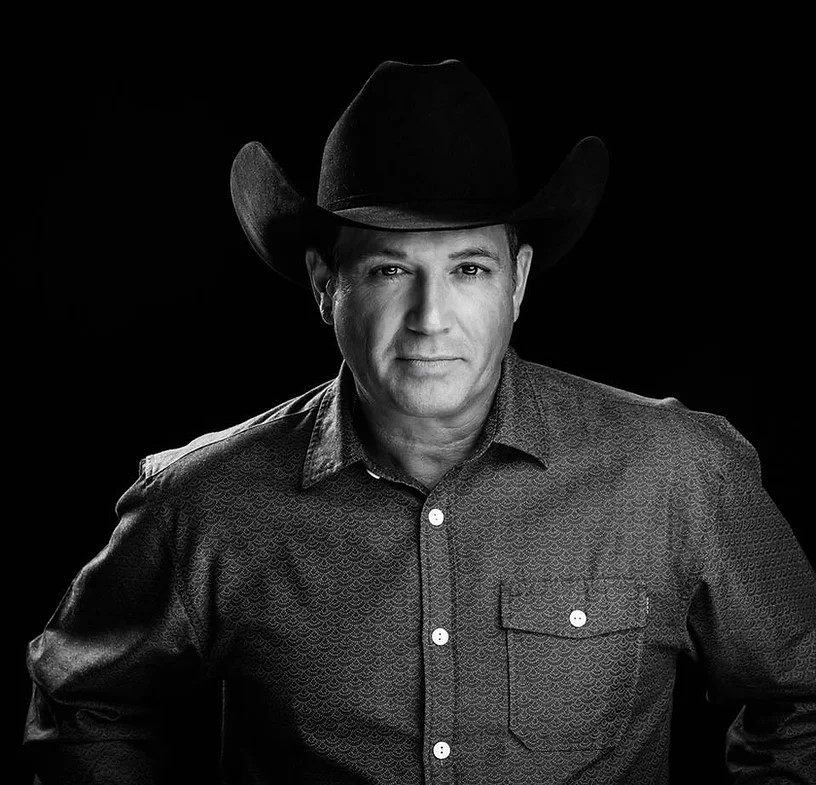
A prominent figure among these hat acts was Tracy Byrd, a native Texan born in 1966. Studying business at Texas State University, he gained musical experience as a vocalist in a local band named “Rimfire.” Initially lacking ambition, a friend’s dare led him to record “You’re Cheatin’ Heart,” which captured the attention of a studio owner and eventually led to Byrd’s signing with MCA in 1992.
Chart Success
After two underwhelming singles, Byrd’s third release, “Holding Heaven,” topped the charts. This success was followed by hits like “Lifestyles of the Not So Rich and Famous” and his well-known track “Watermelon Crawl.” His career continued to flourish with songs like “The Keeper of the Stars,” which won Song of the Year at the Academy of Country Music awards in 1995.
An Authentic Cowboy
Byrd’s love for the outdoors set him apart as a genuine cowboy, creating products like a crank bait named after one of his songs. His passion for outdoor activities is evident as he hosts events for children’s charities and competes in marathons. With appearances on outdoor shows and his wear of camo on stage, Byrd’s commitment to nature is clear, as expressed in his song “Before I Die.” Ultimately, Byrd embodies the essence of a “hat act,” being a true cowboy-hat enthusiast and proud of his Texas roots.
