

Overview
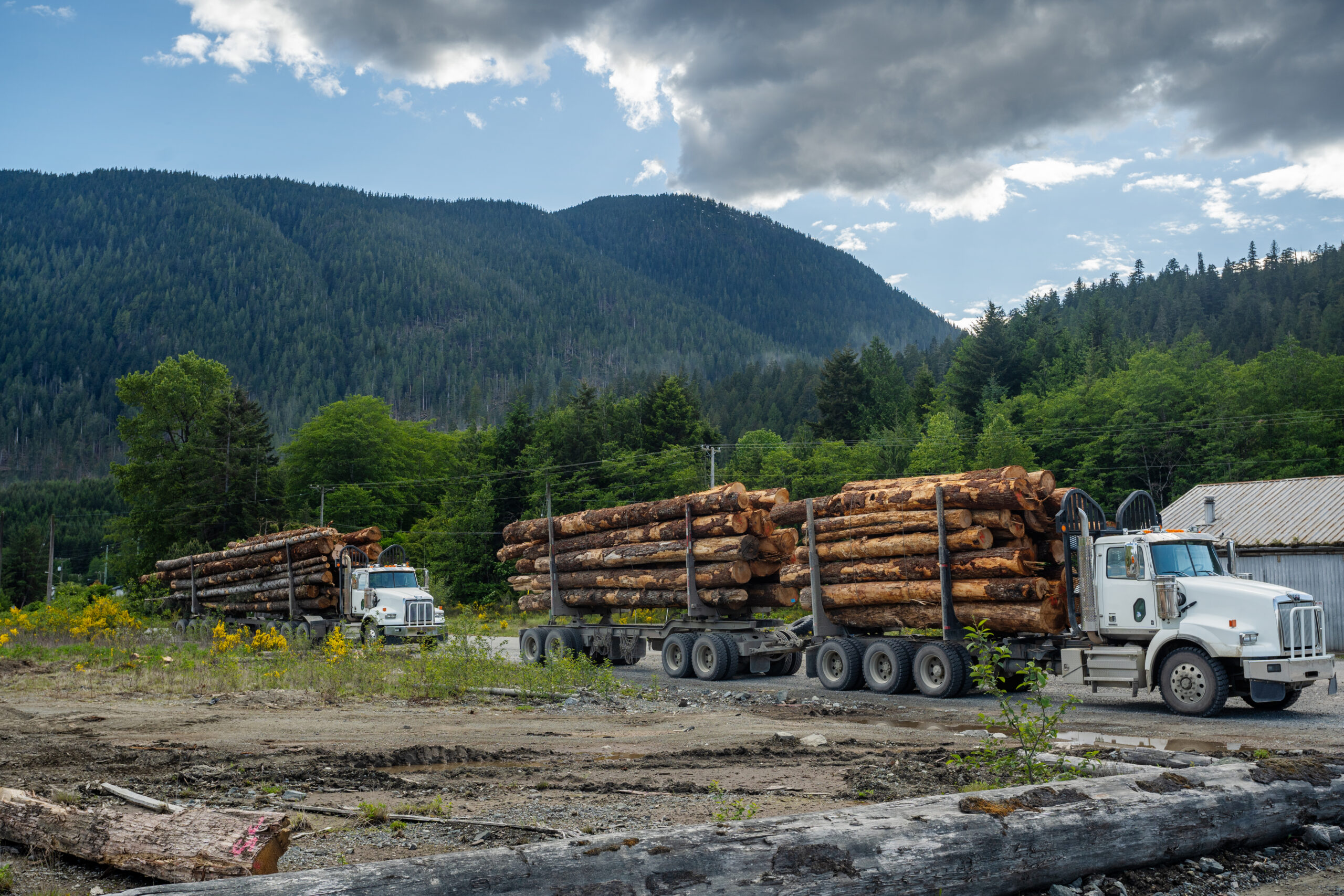
Loggers and log truck drivers encounter significant occupational challenges, including operating heavy machinery, working extended hours, and traveling early in the morning and late at night. These conditions increase their risk of injury and death.
Survey of Logging Workers
Researchers from the University of Washington’s Pacific Northwest Agricultural Safety and Health Center conducted a survey of 45 loggers and log truck drivers in Washington, Oregon, and Idaho. The survey focused on issues like stress, fatigue, work pressures, sleep, and job support. Additionally, interviews with nine logging professionals provided deeper insights into their challenges and needs, aiming to enhance their wellbeing.
Survey results indicated that, while logging workers experience high job pressures and long hours, they also report excellent job support, good physical health, high quality of life, and low stress levels, reflecting substantial job satisfaction. The interviews offered further context, revealing three main themes to aid in supporting the wellbeing of logging workers.
1. Valued Independence and Autonomy.
Workers expressed satisfaction with their roles, valuing the pride associated with their work and the solitary, independent nature of the job. About 64% rated their quality of life as very good or excellent. Interviewees emphasized the importance of personal freedom and job flexibility. One log truck driver remarked on the appeal of managing his own schedule without a boss, while another highlighted the pride in contributing positively to the environment.
2. Cultural Norms Drive Work Pace.
Ninety-four percent reported a demanding pace of work, averaging over 11 hours per day. Of those surveyed, 80% noted they feel pressure to work longer shifts, largely driven by personal expectations and industry norms. One driver explained that pride can motivate extended work hours, while another noted that operating schedules at mills push workers to start their days earlier to avoid long wait times and maximize delivery efficiency.
3. Public Perception Affects Safety.
Interviewees raised concerns about the general public’s lack of awareness regarding log trucks, which can endanger all road users. One driver commented on the need for public education about safe driving around commercial vehicles, emphasizing that raising awareness can enhance road safety. Others expressed frustration regarding the negative public perception of logging’s environmental impact, which they feel undermines the essential services they offer.
This research will guide the creation and dissemination of safety and health messages aimed at protecting loggers and log truck drivers. Recognizing that autonomy is crucial to Northwest logging workers, effective health interventions should be community-driven rather than dictated by external authorities. Log drivers enjoy their work and report high life satisfaction, despite the long hours and risks associated with their occupation. Any interventions should prioritize maintaining their sense of independence, flexibility, and job fulfillment.
Related Articles
Check out additional blogs in this forestry series:
Research Funding
This research was partially funded by a grant from the National Institute for Occupational Safety and Health (RFA-OH-22-002). This blog is part of a series focused on occupational safety and health in the forestry sector. Visit the first blog titled “COFE – The Future of Forest Operations.”
The Pacific Northwest Agricultural Safety and Health Center is among 12 centers funded by NIOSH to enhance occupational safety and health in agriculture, forestry, and fishing through research and educational initiatives.
Meet the Authors
Marissa Baker, PhD, is a Professor and Industrial Hygiene Program Director at the University of Washington’s Department of Environmental and Occupational Health Sciences.
Lily Monsey is affiliated with the University of Washington’s Department of Environmental and Occupational Health Sciences, currently pursuing an MPH in Health Systems and Population Health.
Jennifer Lincoln, PhD, CSP, serves as the Associate Director for the NIOSH Office of Agriculture Safety and Health.
Kitty Hendricks, MA, is a Research Health Scientist with NIOSH and also serves as the Assistant Coordinator for their Agriculture, Forestry, and Fishing Program.
